Brick vs. Stone Tuckpointing: Key Differences for Commercial Projects
People searching for brick vs. stone tuckpointing key differences for commercial projects are typically aiming to choose the best repair or restoration method, and local contractors can help determine which approach suits their building’s material and aesthetic needs.
If you’re exploring options for tuckpointing on commercial properties, understanding the differences between brick and stone tuckpointing is essential. This knowledge can influence the durability, appearance, and overall longevity of your building’s façade. Whether you’re considering repairs or upgrades, property owners in the area might find it helpful to learn how these materials compare and which approach best suits their specific project needs. Local contractors specializing in tuckpointing services can provide insights tailored to your property’s unique requirements, ensuring the right choice is made for lasting results.
Continuing with this topic can help clarify practical considerations, such as aesthetic preferences, structural needs, and maintenance requirements. Many property owners find that understanding the key differences between brick and stone tuckpointing allows them to make more informed decisions about their commercial projects. Local service providers experienced in both materials can assist with expert guidance, helping ensure the work enhances the integrity and appearance of the building while aligning with its functional demands. Keep reading to discover how these distinctions might impact your next project.
- Commercial brick buildings - when brick tuckpointing is needed to restore the mortar joints and preserve structural integrity, local contractors focus on matching mortar color and texture.
- Stone facades on commercial properties - for projects requiring repair or repointing of stonework, local service providers emphasize careful matching of stone types and joint profiles.
- Historic brick or stone structures - preservation of historic commercial buildings often involves specialized tuckpointing techniques performed by experienced local pros to maintain authenticity.
- Brick or stone walls in retail or office complexes - when aesthetic and durability are priorities, local contractors tailor tuckpointing approaches to suit the material and project needs.
- Facade restoration for commercial properties - for projects aiming to improve appearance and longevity, local pros assess the differences between brick and stone tuckpointing to recommend appropriate solutions.
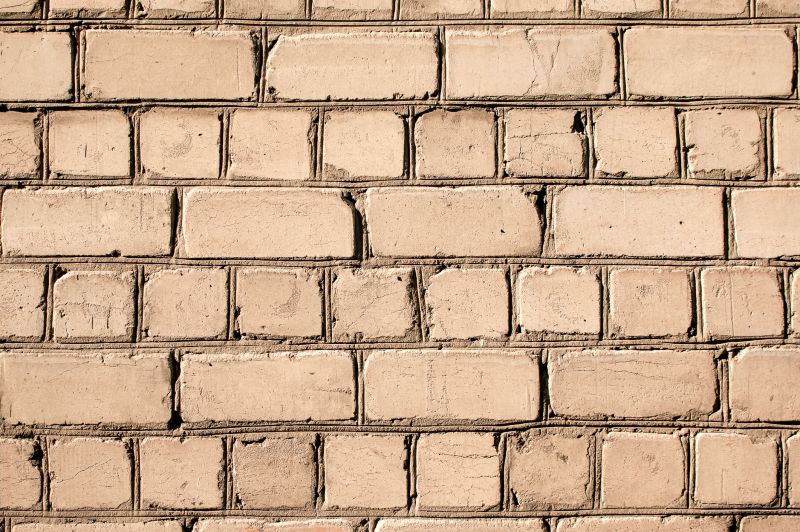
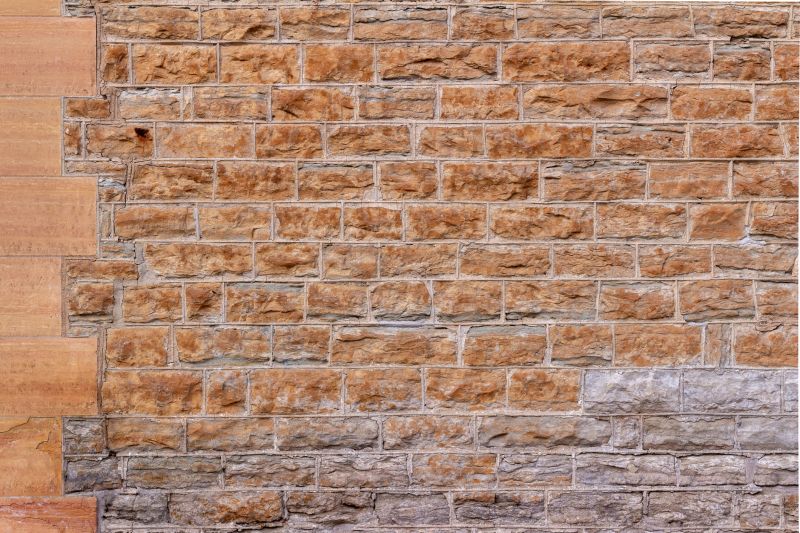
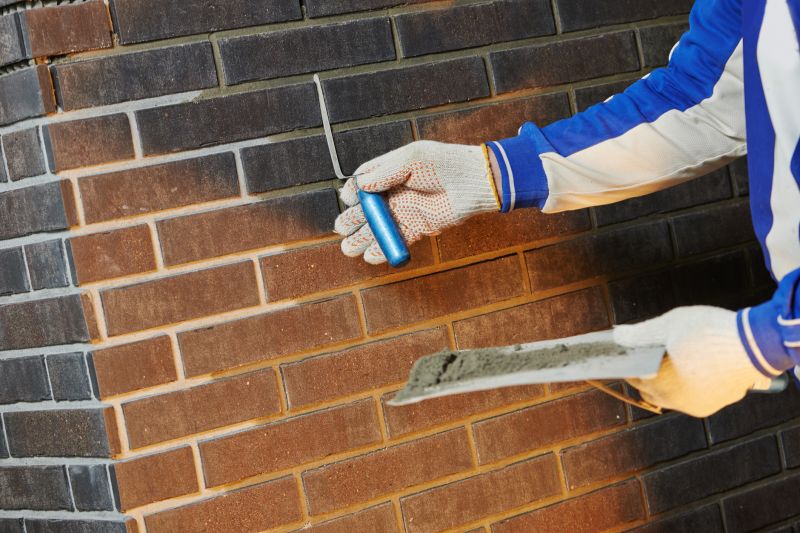
When searching for information on brick vs. stone tuckpointing for commercial projects, most people are looking to understand the fundamental differences between these two masonry restoration techniques. They often want to know which method is more suitable for their specific property type, whether it involves brick or stone masonry. This topic usually comes up in the context of repairing or restoring aging or damaged exterior walls, facades, or decorative features on commercial buildings. Property owners and managers may be planning to maintain the structural integrity of their buildings, improve appearance, or prevent further deterioration, which makes understanding the distinctions between brick and stone tuckpointing essential for making informed decisions.
The core issues related to brick vs. stone tuckpointing often involve identifying the appropriate repair approach based on the material type, the condition of existing mortar joints, and the overall aesthetic goals. For example, brick tuckpointing typically focuses on restoring mortar joints in brick walls where the mortar has cracked, crumbled, or become loose over time. In contrast, stone tuckpointing may involve more specialized techniques to address the unique characteristics of natural stone surfaces, such as irregular shapes or different bonding patterns. These projects often relate to addressing issues like water infiltration, structural stability, or cosmetic improvements, which are common concerns for commercial properties like office buildings, retail centers, or industrial facilities.
The types of properties that frequently require tuckpointing services include multi-story office complexes, retail storefronts, warehouses, and other commercial structures with exterior masonry facades. These properties often have large, exposed brick or stone surfaces that are subjected to weathering and wear. Commercial buildings with historical or aesthetic significance may also need specialized tuckpointing to preserve their architectural integrity. When property owners or managers recognize signs of deteriorating mortar, such as cracks, crumbling material, or efflorescence, they often seek out local contractors who specialize in brick or stone tuckpointing. These service providers can evaluate the condition of the masonry, recommend the appropriate repair method, and execute the work to restore durability and appearance.
Understanding the key differences between brick and stone tuckpointing helps property owners make better decisions about ongoing maintenance or restoration projects. Local contractors experienced in these services can advise on whether a project requires traditional brick mortar repair or a more tailored approach suited for natural stone. They can also recommend the best techniques and materials to match the existing masonry, ensuring the repair work blends seamlessly with the original structure. For commercial properties, choosing the right tuckpointing approach can extend the life of the masonry, enhance curb appeal, and prevent costly repairs down the line-making it a critical consideration for property preservation and value.
Brick Repair Contractors - professionals skilled in restoring and maintaining brick structures can assist with tuckpointing projects that require matching brickwork and mortar for commercial buildings.
Stone Masonry Specialists - experts experienced in working with natural stone can handle tuckpointing tasks that involve stone facades, ensuring durability and aesthetic consistency.
Masonry Restoration Services - service providers focusing on historic and commercial masonry can provide expertise in both brick and stone tuckpointing techniques.
Facade Renovation Experts - contractors who specialize in building facades can help improve structural integrity and appearance through targeted tuckpointing work.
Commercial Masonry Contractors - local pros capable of managing large-scale tuckpointing projects that involve different materials and design considerations.
Structural Repair Specialists - professionals who address mortar deterioration and structural issues in masonry, utilizing skills relevant to both brick and stone tuckpointing projects.
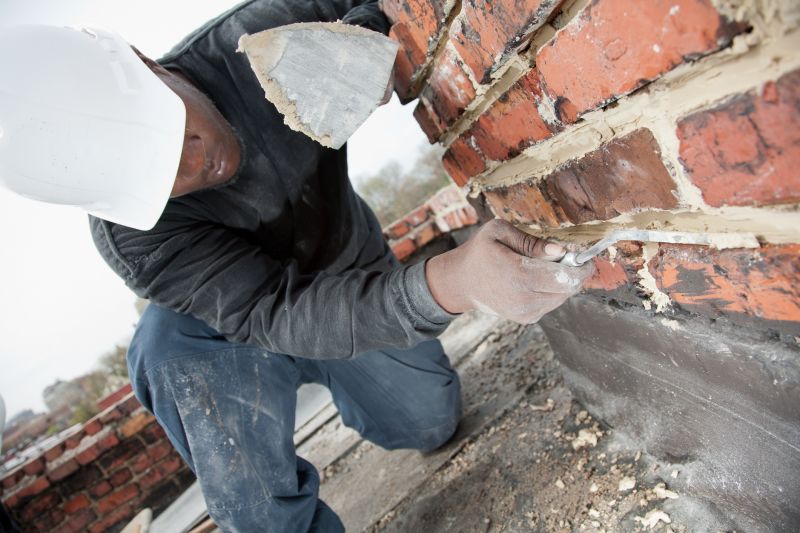
When evaluating contractors for brick versus stone tuckpointing, it is essential to consider their experience with similar commercial projects. A service provider with a proven track record in handling the specific materials and scope of work related to brick or stone tuckpointing can offer valuable insights into the unique challenges these materials present. Homeowners should inquire about past projects that mirror the size and complexity of their own, ensuring that the contractor understands the structural and aesthetic considerations involved. This experience helps to ensure that the chosen professional is well-versed in the nuances of each material, leading to a more reliable and high-quality result.
Clear, written expectations are a vital component when comparing local contractors for tuckpointing services. Well-defined project scopes, including details about the materials used, the extent of work, and the desired finish, help prevent misunderstandings and set realistic standards for the project. Homeowners should seek service providers who can articulate their approach in writing, providing detailed proposals or estimates that outline the work process and deliverables. Having this clarity fosters transparency and ensures that everyone is aligned on the scope and quality of the work from the outset.
Reputable references and effective communication are key indicators of a dependable contractor for brick versus stone tuckpointing. When considering different service providers, homeowners should ask for references from previous clients with similar projects and verify the quality of their work. Good communication involves responsiveness, clarity, and a willingness to address questions or concerns throughout the process. Contractors who prioritize open dialogue and provide consistent updates can help ensure the project progresses smoothly and meets expectations. Prioritizing these qualities can lead to a more successful partnership and a finished project that aligns with the homeowner’s vision.
Property owners often search for brick vs. stone tuckpointing: key differences for commercial projects when they are planning practical projects around their homes and businesses. Local pros provide Brick vs. Stone Tuckpointing services for everyday jobs and straightforward project options.
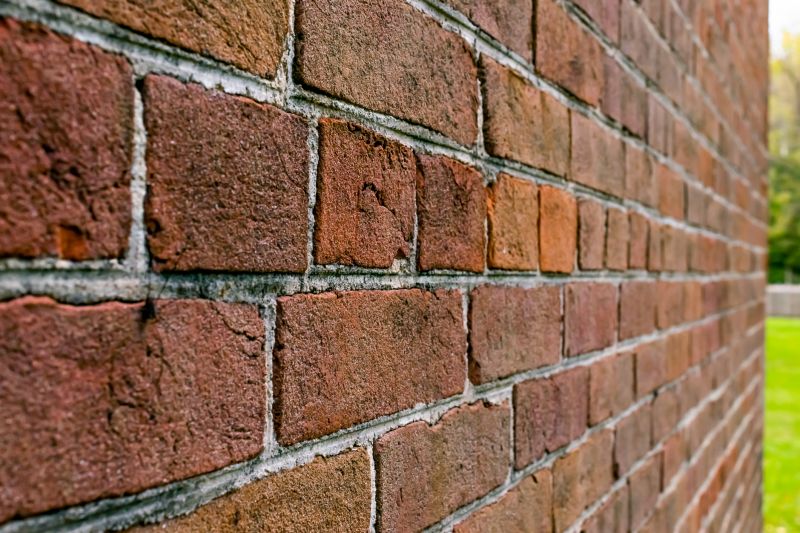
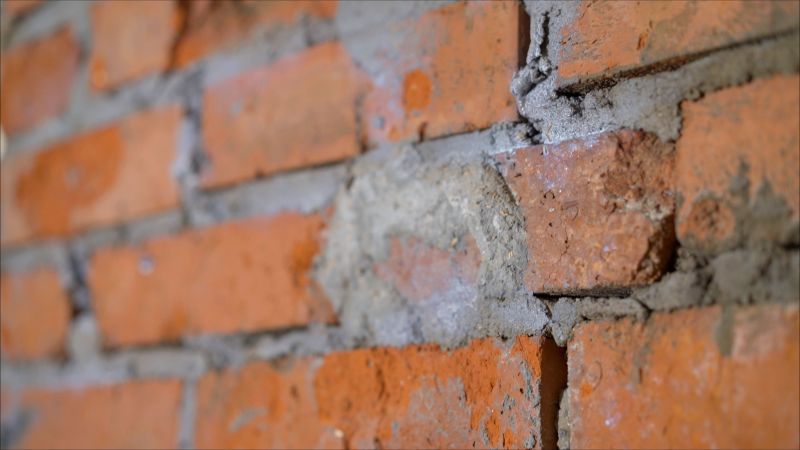
Understanding the differences between brick vs. stone tuckpointing is a common concern for property owners managing commercial buildings. Many seek this information to ensure their repairs or restorations match the building’s original materials and maintain its aesthetic appeal. For those involved in ongoing maintenance or facing visible mortar deterioration, knowing whether brick or stone tuckpointing services are more suitable can influence decisions about which local contractors to engage. These professionals can assess the specific needs of a building’s masonry, helping property owners choose the right approach to preserve structural integrity and visual consistency.
Property owners often look up this topic to determine the best way to address mortar damage or deterioration that affects the appearance and stability of their commercial properties. Since brick and stone materials have different characteristics, local service providers can offer tailored solutions based on the material type, project scope, and desired results. Whether repairing brick facades or restoring stonework, connecting with experienced contractors ensures the right techniques are used to match the original construction and extend the lifespan of the masonry work.
What are the main differences between brick and stone tuckpointing for commercial projects? Brick tuckpointing typically involves repairing mortar joints in brick masonry to improve appearance and durability, while stone tuckpointing focuses on restoring mortar in stone structures. The materials and techniques vary based on the masonry type, affecting the overall look and longevity of the project.
How does the choice between brick and stone tuckpointing impact the durability of a building? The durability depends on the materials used; brick and stone each have different properties. Local contractors can assess the specific needs of a structure to recommend the best tuckpointing approach to enhance its longevity.
Are there aesthetic differences between brick and stone tuckpointing for commercial facades? Yes, brick tuckpointing maintains the uniform appearance of brickwork, while stone tuckpointing can preserve the natural texture and unique character of stone surfaces, influencing the overall aesthetic of the building.
Can local service providers handle both brick and stone tuckpointing projects effectively? Many local contractors are experienced in working with both materials, allowing them to tailor the tuckpointing techniques to suit the specific needs of brick or stone structures in commercial settings.
What factors should be considered when deciding between brick and stone tuckpointing for a commercial project? Factors include the existing masonry type, structural requirements, desired appearance, and the condition of mortar joints. Consulting with local pros can help determine the most appropriate approach for the project.
Understanding material differences - Property owners can explore how brick and stone materials vary in appearance and durability, guiding decisions for tuckpointing services offered by local contractors.
Choosing the right tuckpointing technique - Knowing whether to use traditional or modern methods helps property owners work with local pros to achieve the desired aesthetic and structural results.
Assessing project scope and material compatibility - Evaluating whether brick or stone requires specific tuckpointing approaches enables property owners to plan effectively with local service providers.
Matching repair materials for longevity - Ensuring the new mortar blends well with existing brick or stone helps property owners maintain the integrity of their building through expert tuckpointing services.
If you are thinking about brick vs. stone tuckpointing: key differences for commercial projects for a property, this guide is meant to help you understand this topic, the typical project types, and how different options might fit your plans.
When you are ready, you can use the quote form on this page to share a few details about your project. From there, local pros can review the basics and follow up with options that match what you have in mind.